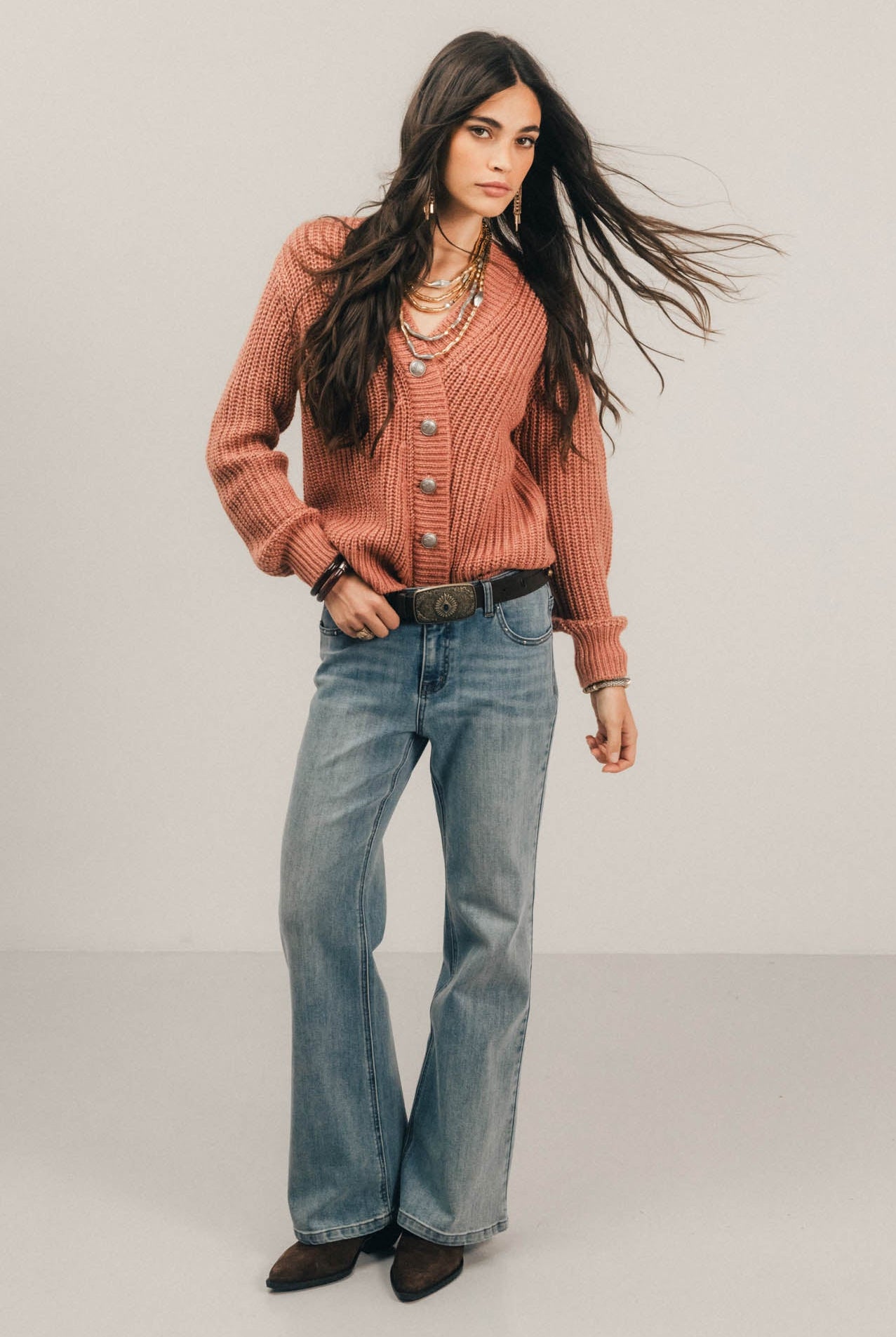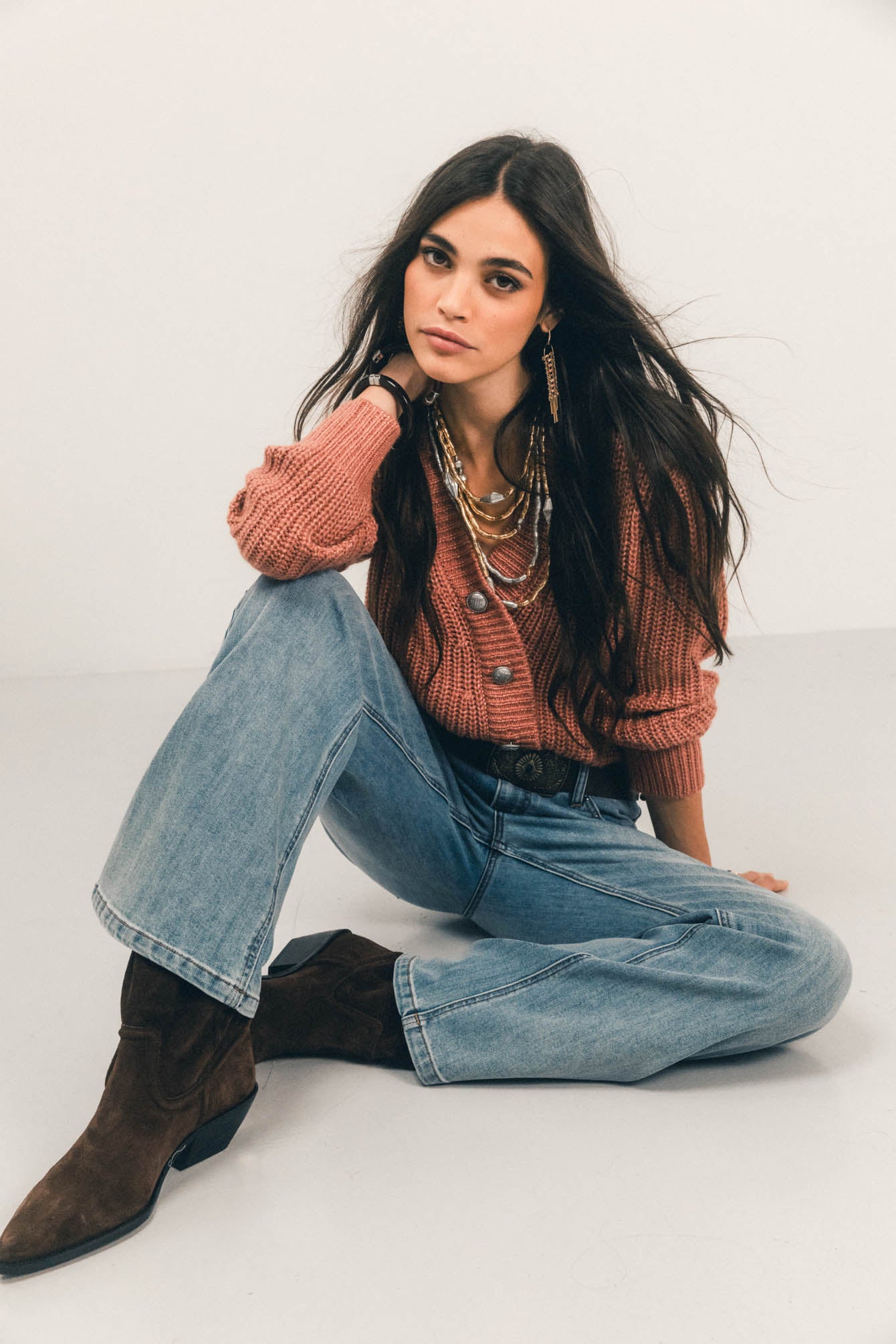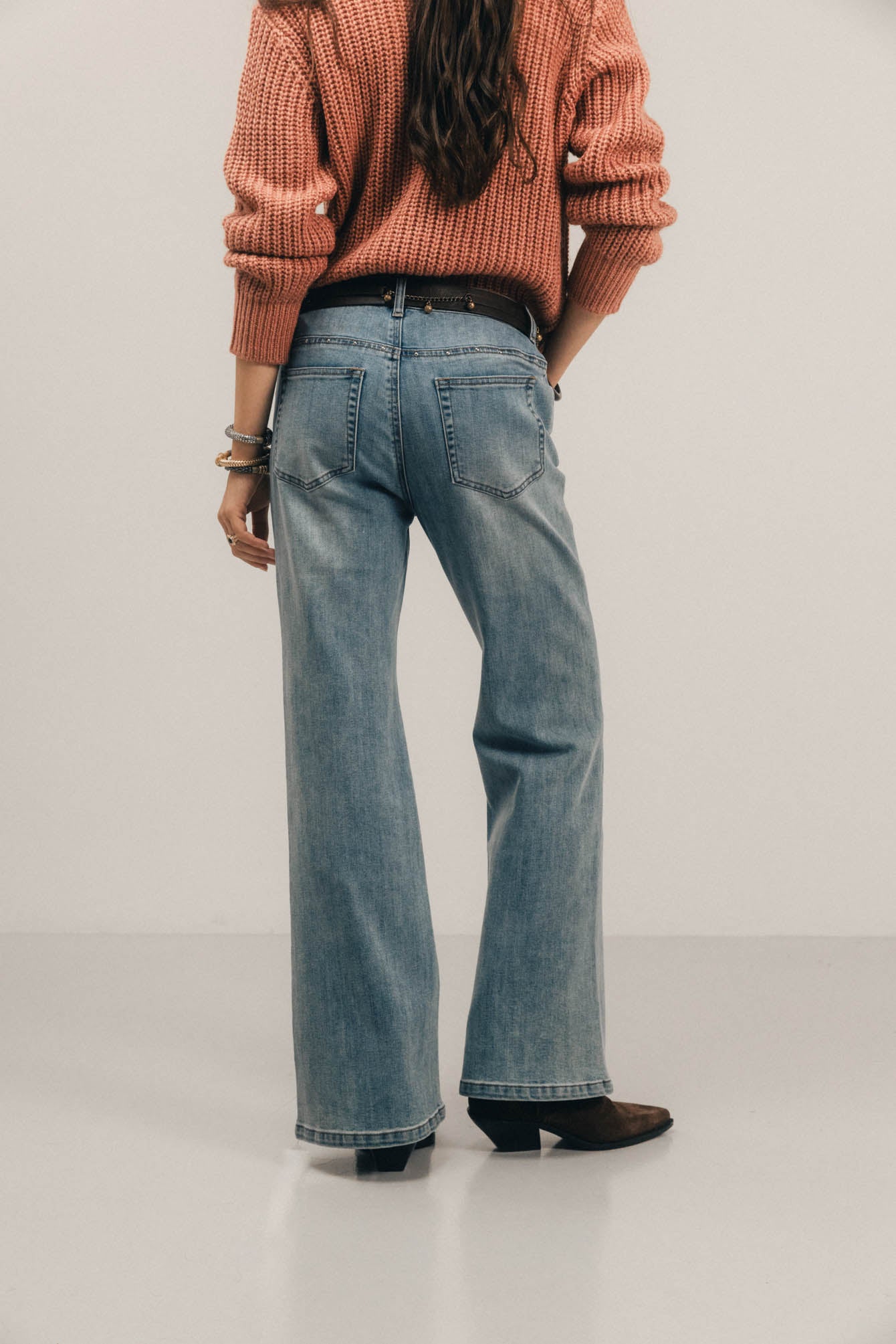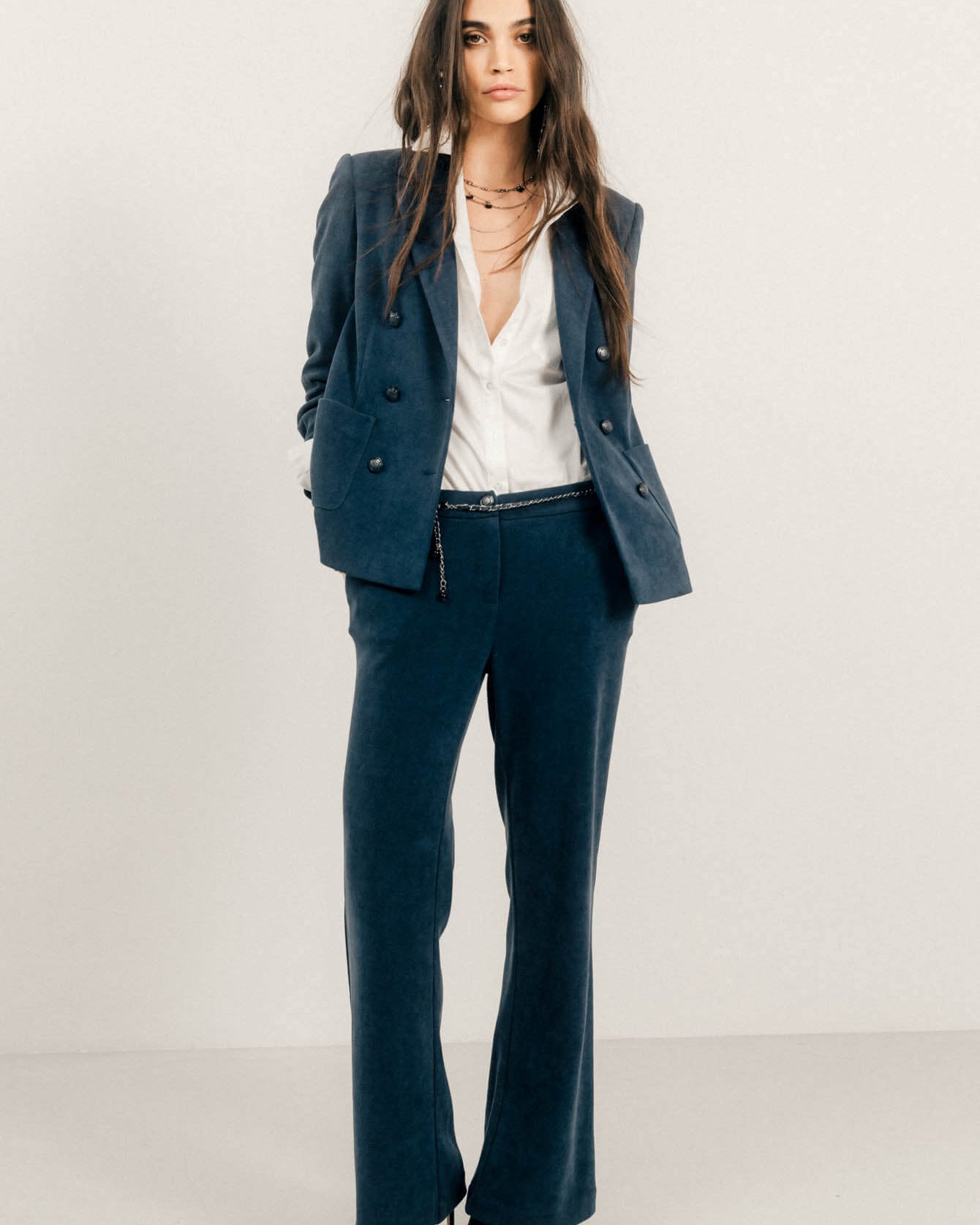

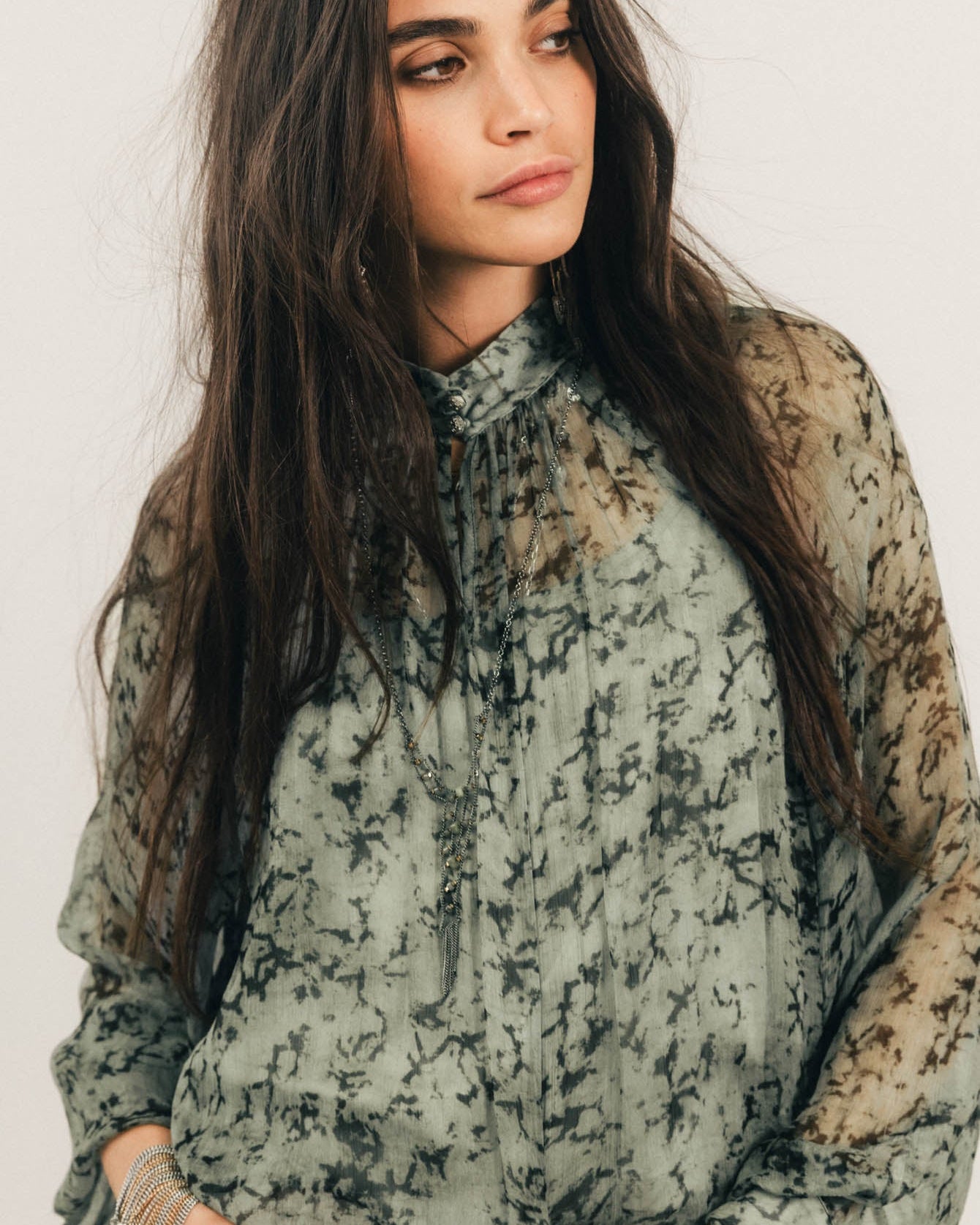






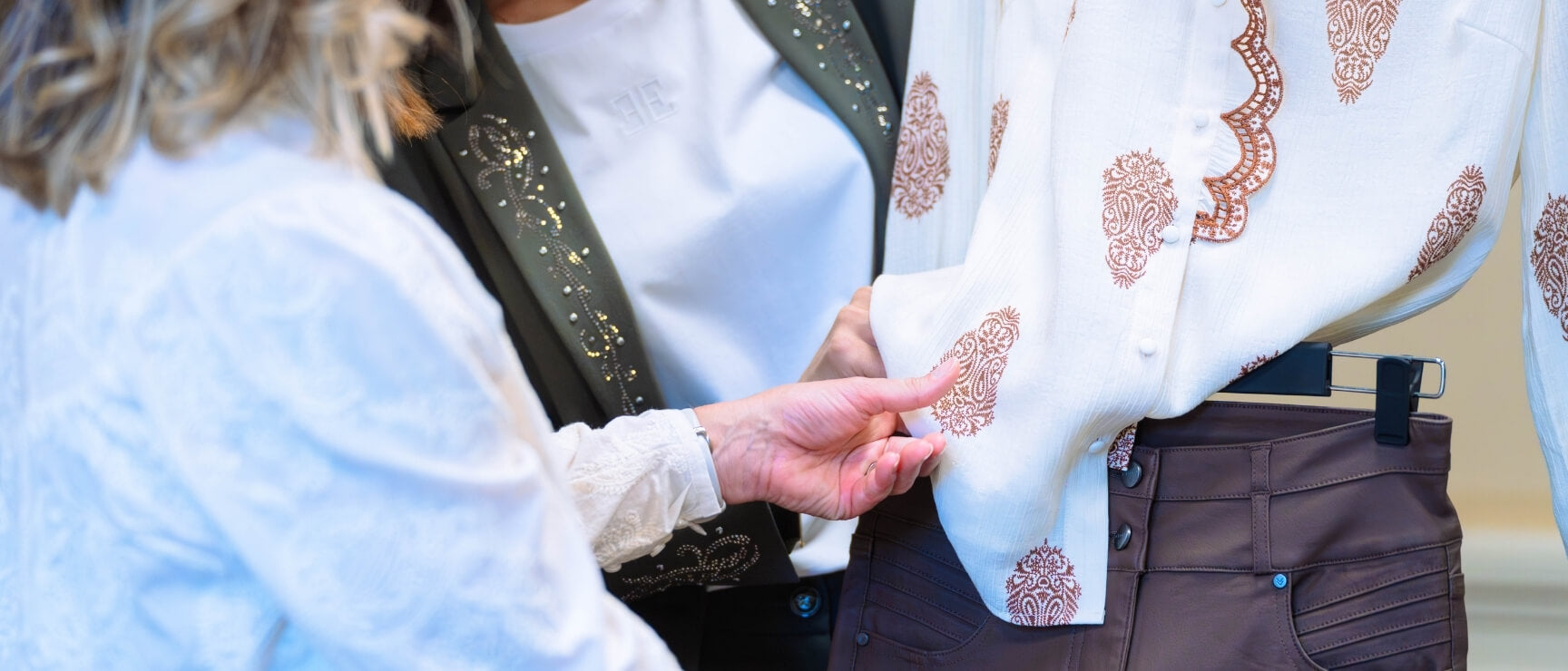


Eco-friendly and sustainable fashion has been making its way into our wardrobes for a few years now, thanks to a growing environmental awareness. Responsible fashion covers a range of concepts, such as ethical fashion, slow fashion, circular fashion, fair fashion, and even vegan fashion. But what really matters is that eco-friendly and sustainable fashion respects the environment, people, the planet, and everything around us—for a better world today and tomorrow. Here’s a quick overview of the different terms used in responsible fashion.
What is ethical fashion?
Ethics is about acting with morality and integrity. It means questioning where products come from, how they’re made, the methods used in their production and distribution, and the conditions under which these steps take place. Ethical fashion ensures good working conditions for textile workers, including fair hours, fair pay, and respect for workers’ rights. It also considers animal welfare, environmental impact, fair pricing for consumers, and the quality of the products sold.
Inspired by fair trade and ethical principles, ethical fashion focuses on two main concerns: social and environmental. As an alternative to fast fashion, it’s more respectful of people and the planet.
Fair fashion for people
Fair fashion is a little different from ethical fashion, as it prioritizes working in solidarity with disadvantaged communities. Thanks to commercial partnerships with brands, workers are paid fairly. Social and environmental aspects are also considered, depending on the project. Fair fashion mainly acts during the production of raw materials and the making of products—in our case, clothing.
Eco-friendly fashion: the fashion of tomorrow?
Thanks to natural, organic, biodegradable, recycled, or even upcycled materials, eco-friendly fashion promises less polluting manufacturing processes, with fewer toxic products, a reduced carbon footprint, and more local production.
Designs are often zero-waste, and they’re made to be with you for years to come.
Eco-friendly fashion is built on specific values and commitments:
- Transparency
- Fair trade
- Social and solidarity economy
- Collaborative economy
- Made in France, made in Europe, local production
- Organic farming
- Natural fibers
- Handmade
- Ecology
- Recycling
- Zero waste
- Vegan
In the same way, certain aspects of traditional fashion are deal-breakers for an eco-friendly brand:
- Intensive crop production
- Use of toxic products
- Overproduction
- Social inequality
- Child labor
- Wastefulness
- Greenwashing
Eco-friendly fashion aims to promote a responsible, supportive, ethical, and smart approach to style. By embracing these values, eco-friendly fashion hopes to become the fashion of tomorrow.
Sustainable fashion: for wardrobes that last
The concept of sustainable fashion is directly linked to climate change. To preserve resources and limit their use, sustainable fashion also teaches consumers how to care for their clothes: maintenance, repair, swapping, second-hand, and recycling. The goal is for clothes to last for many years in your wardrobe, helping to avoid overconsumption.
Sustainable fashion is becoming more and more present today, as environmental concerns are real. The desire to protect the planet for future generations is starting to play a key role in how people shop for clothes and accessories. Thanks to responsible and modern collections, you can combine your love of fashion with your love of nature.