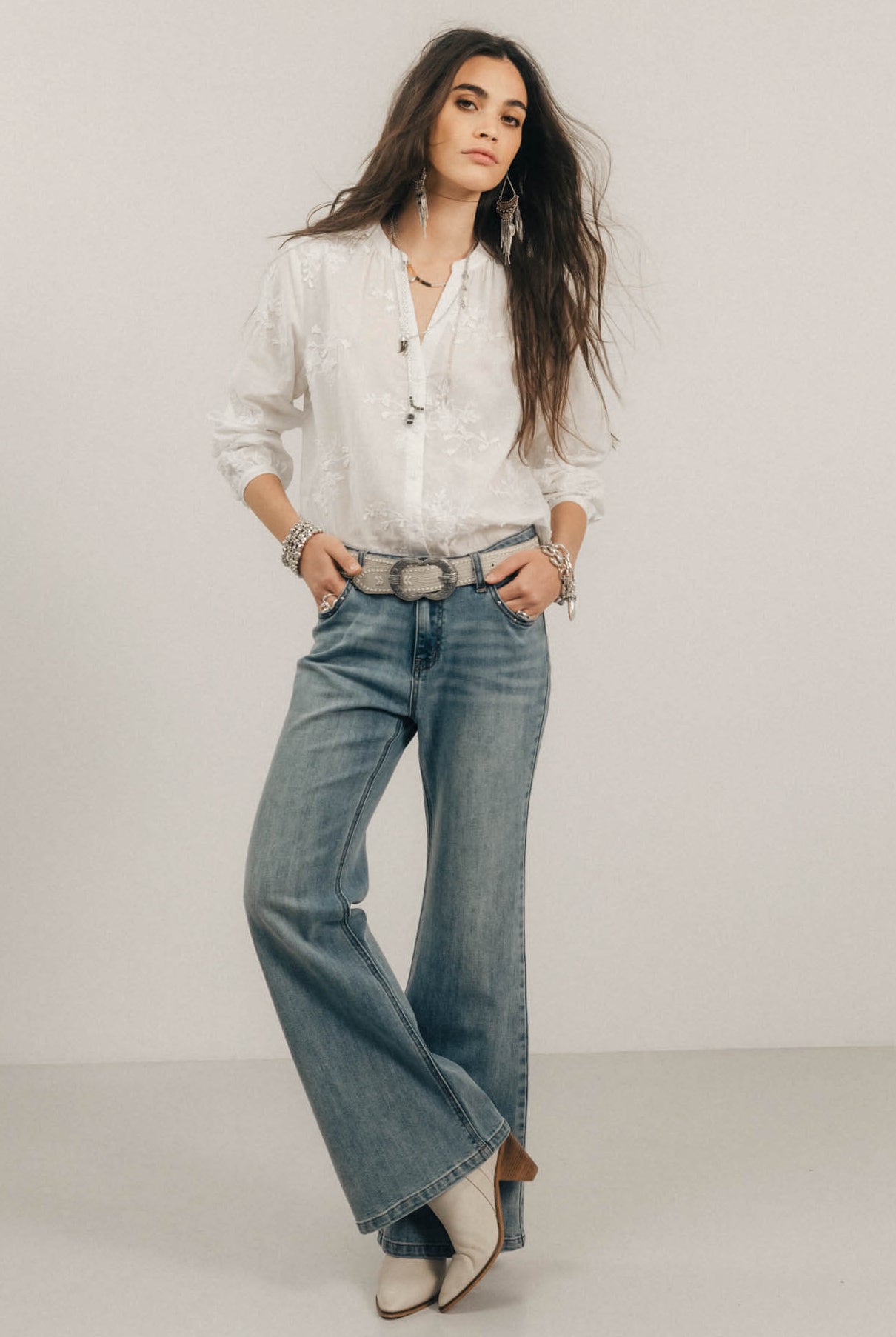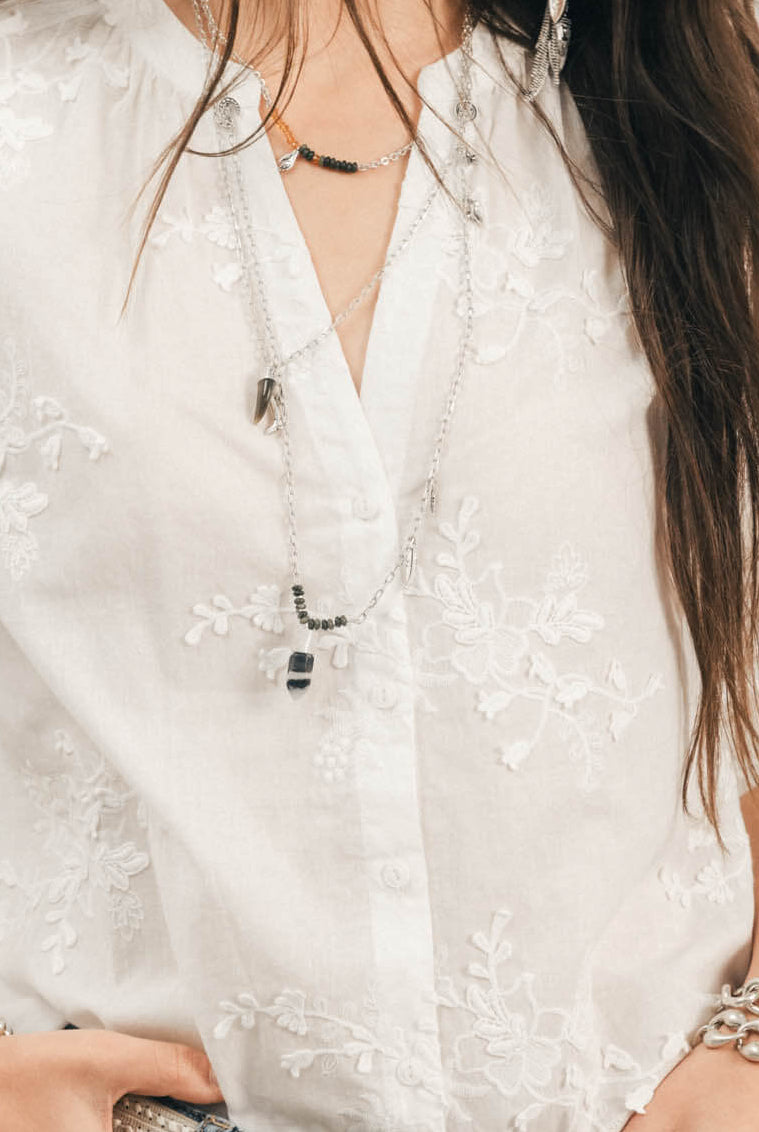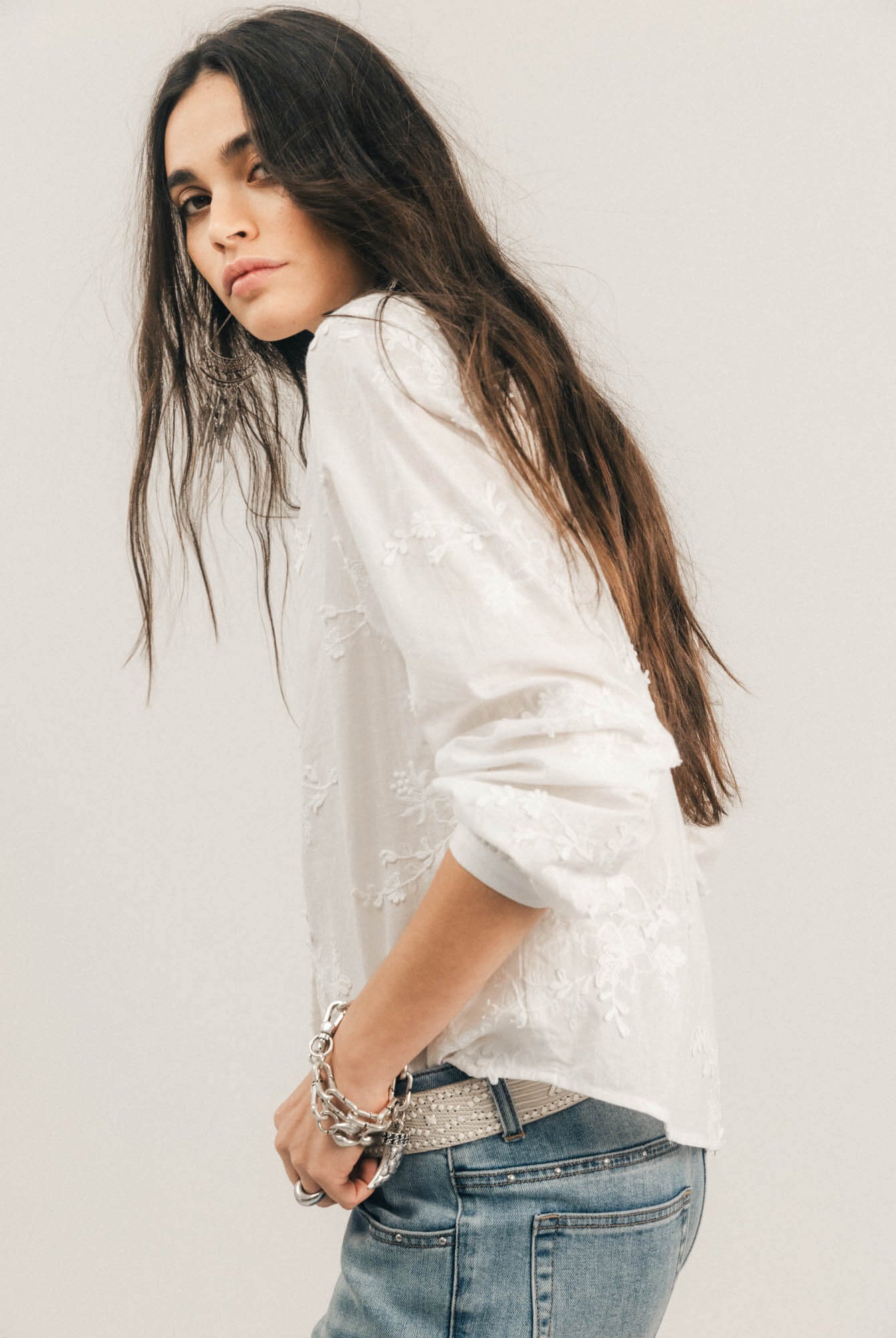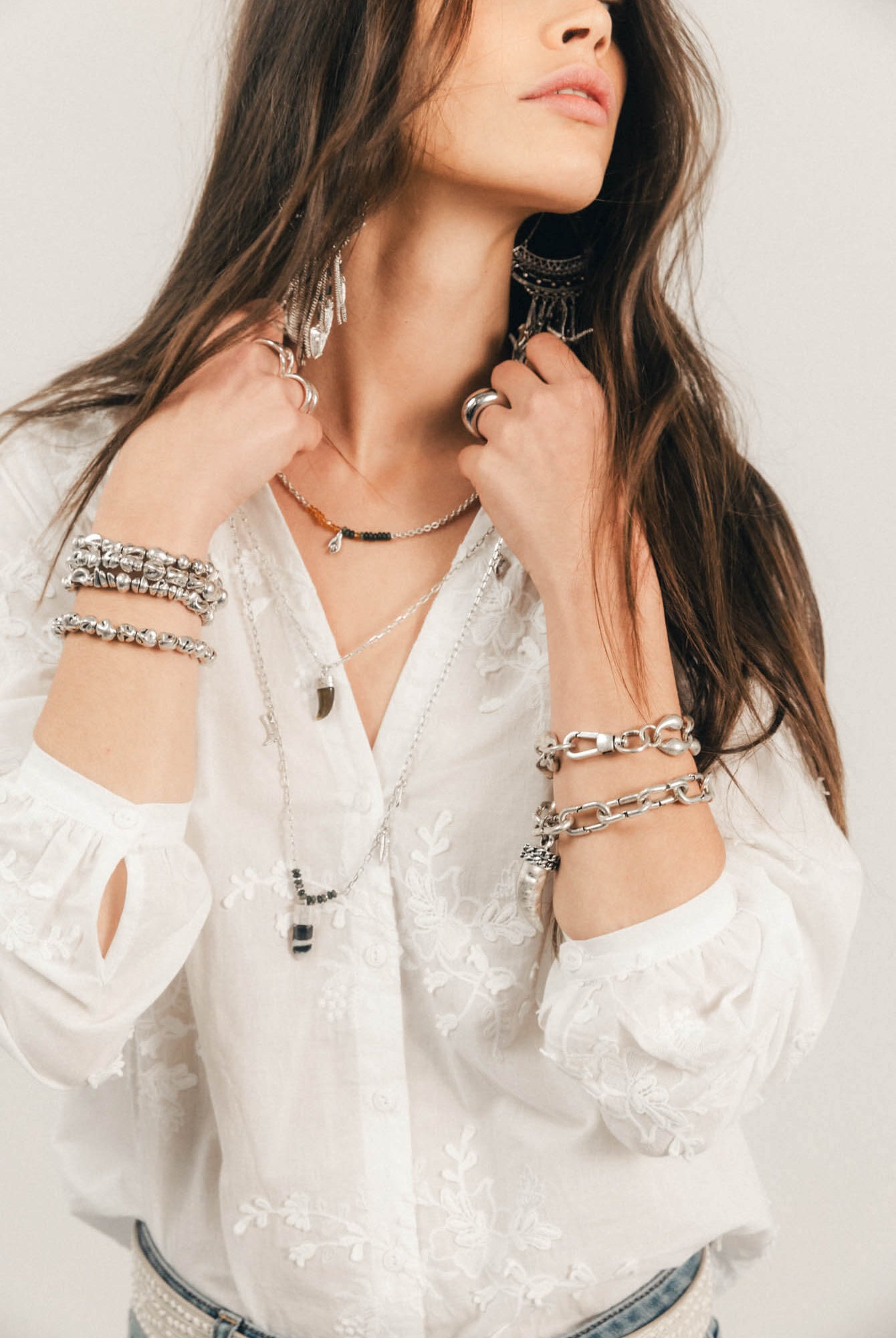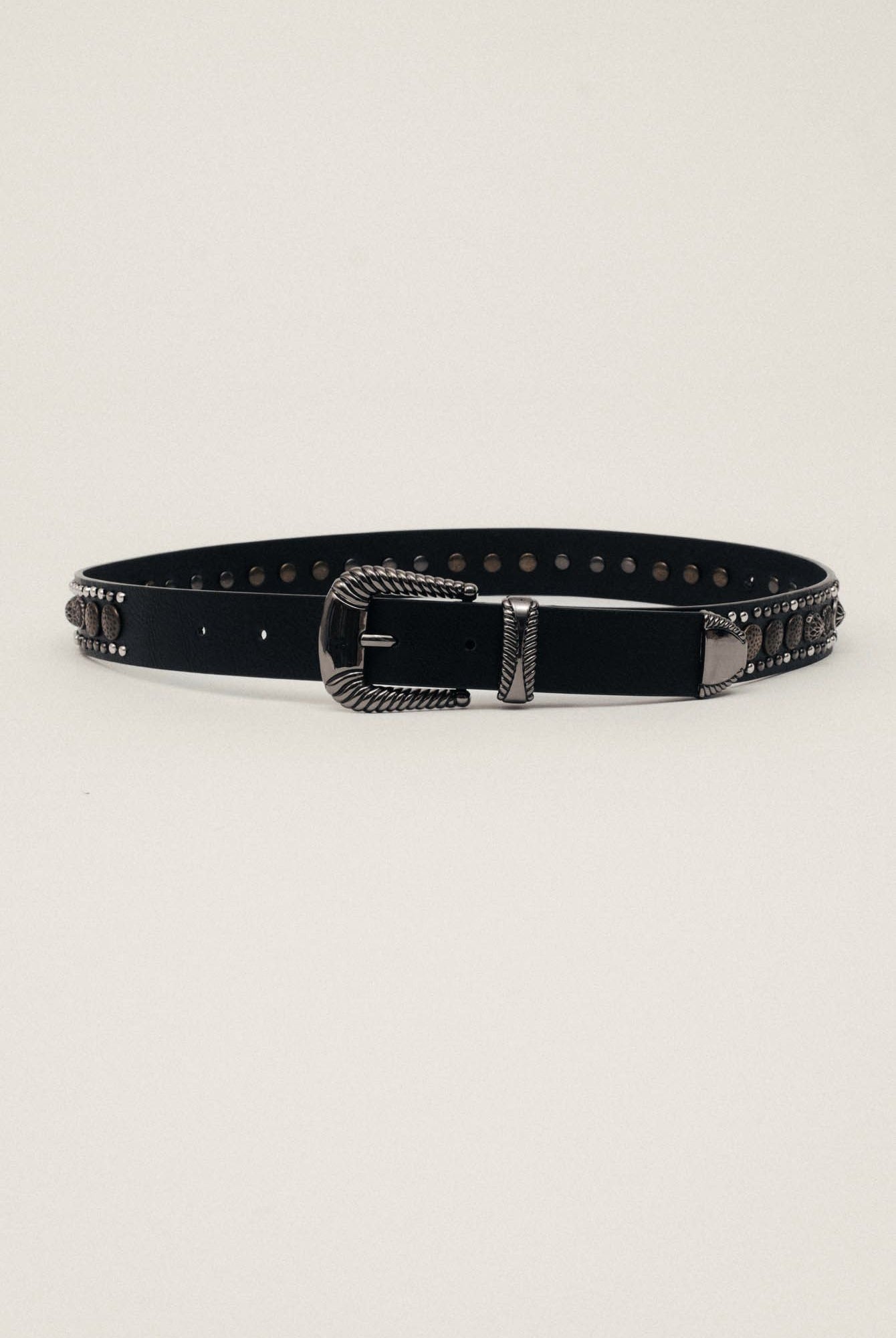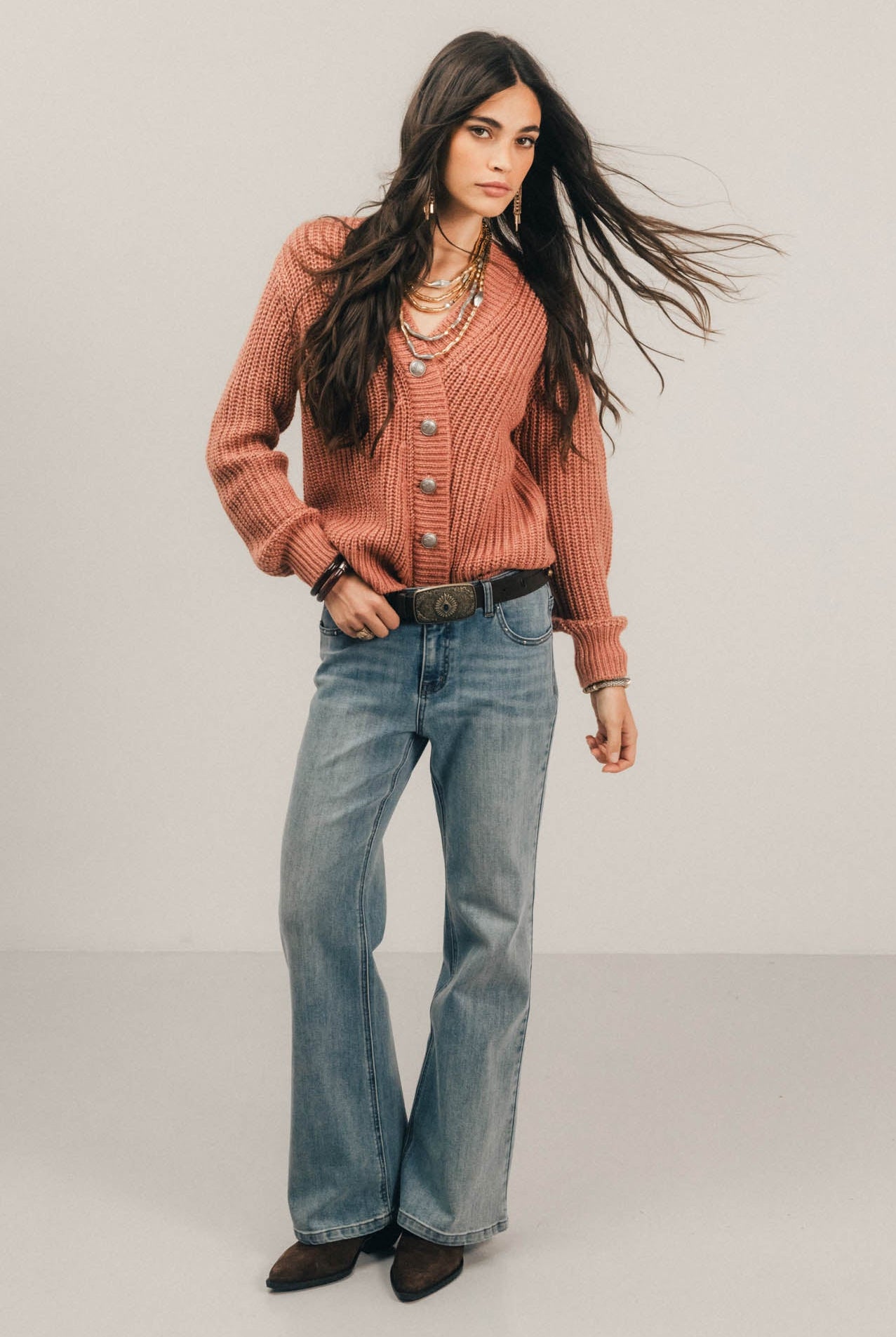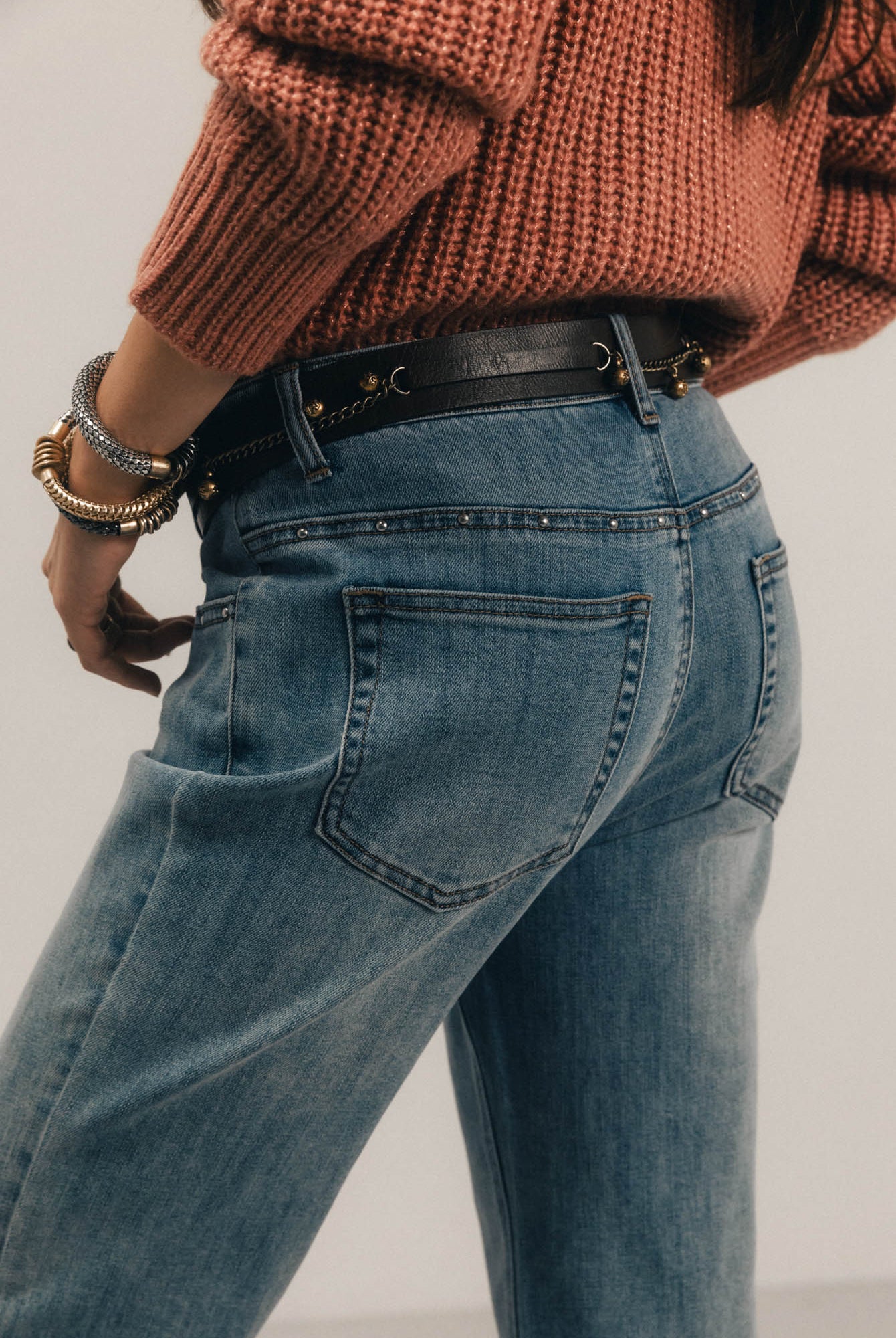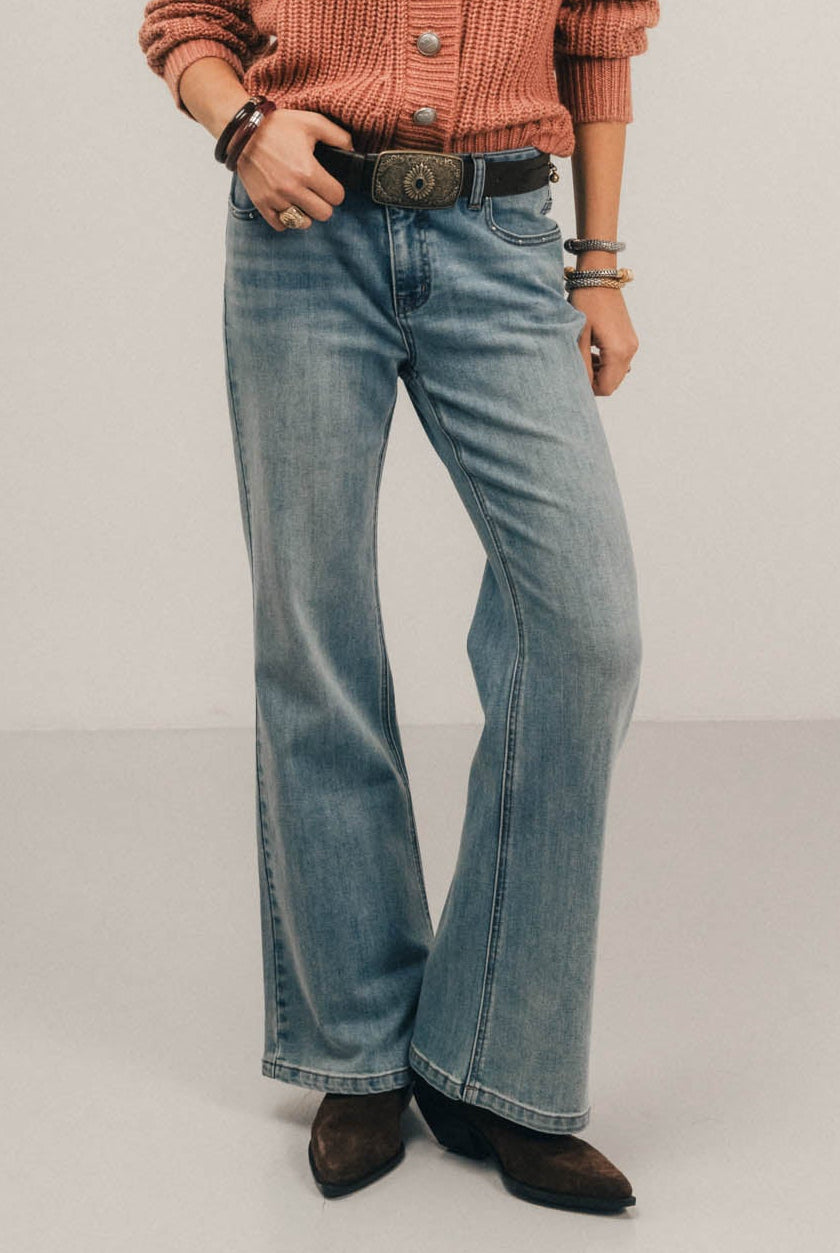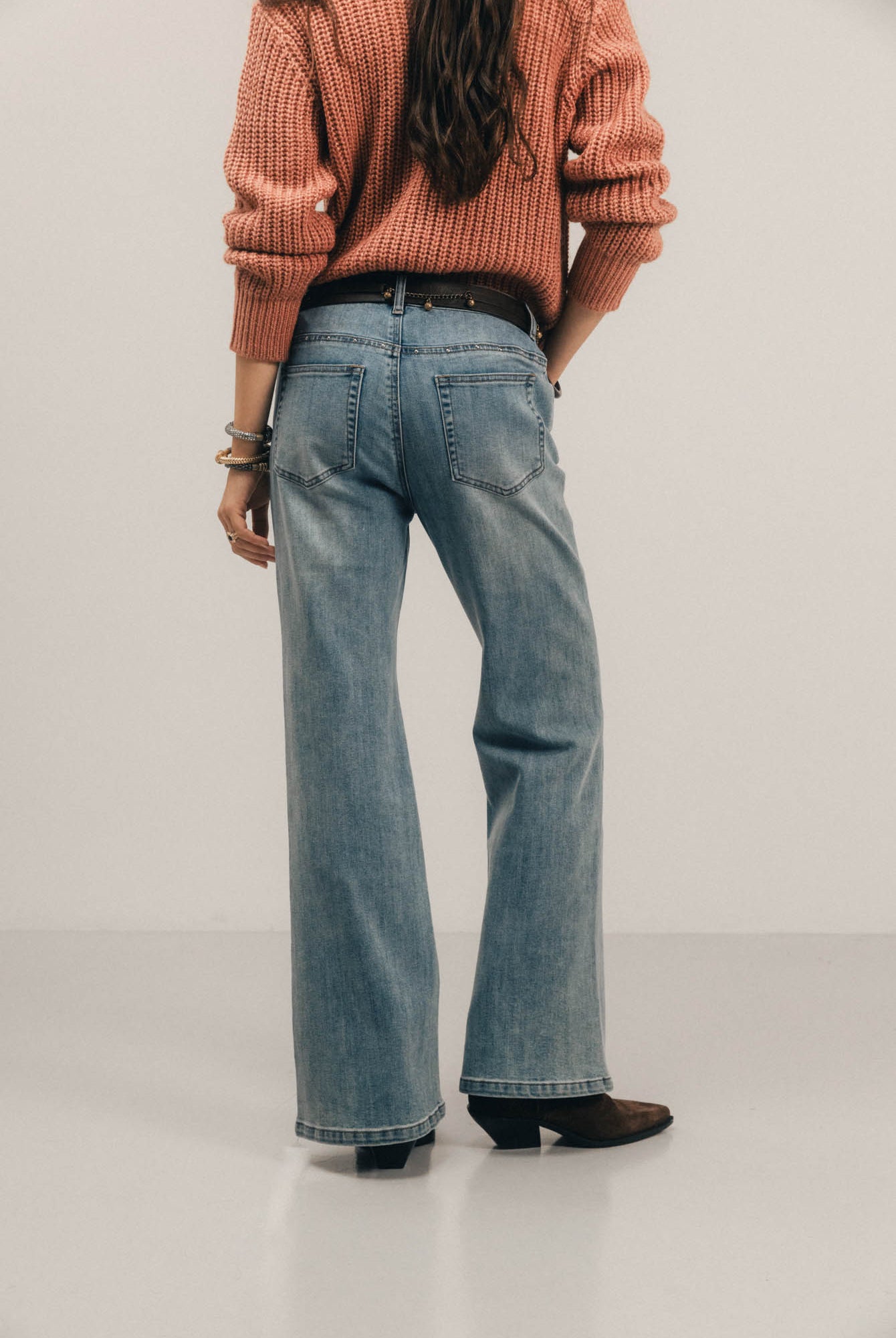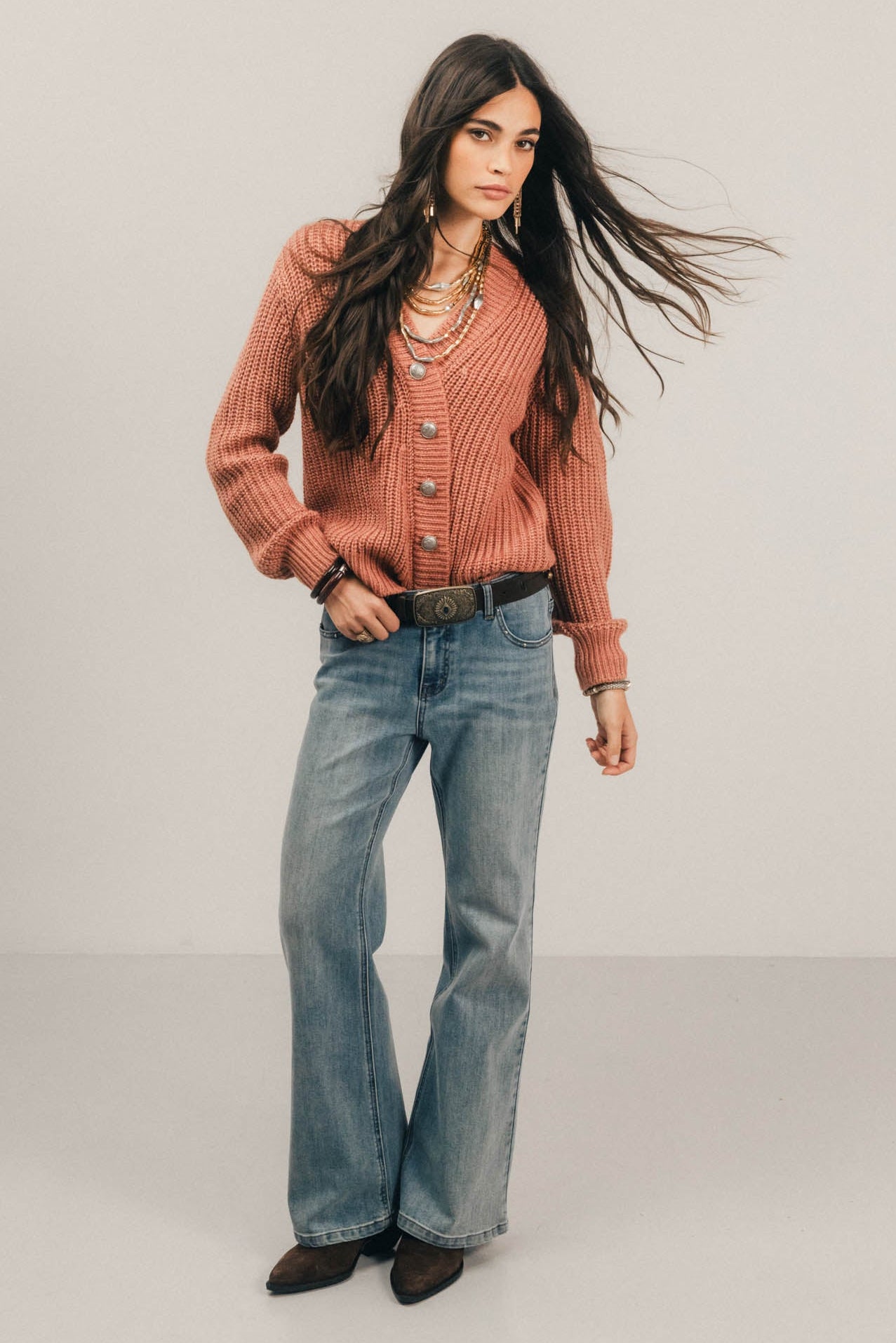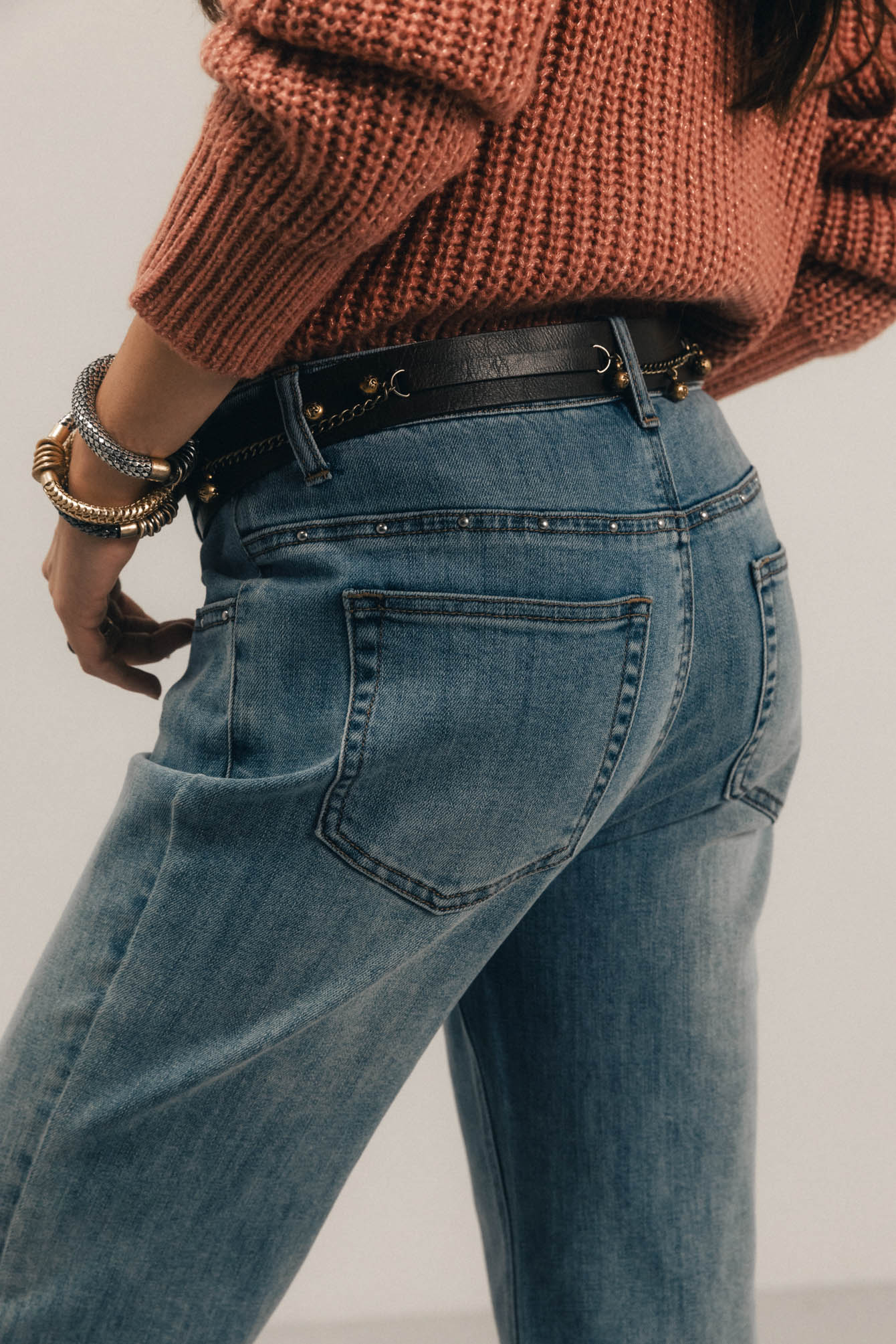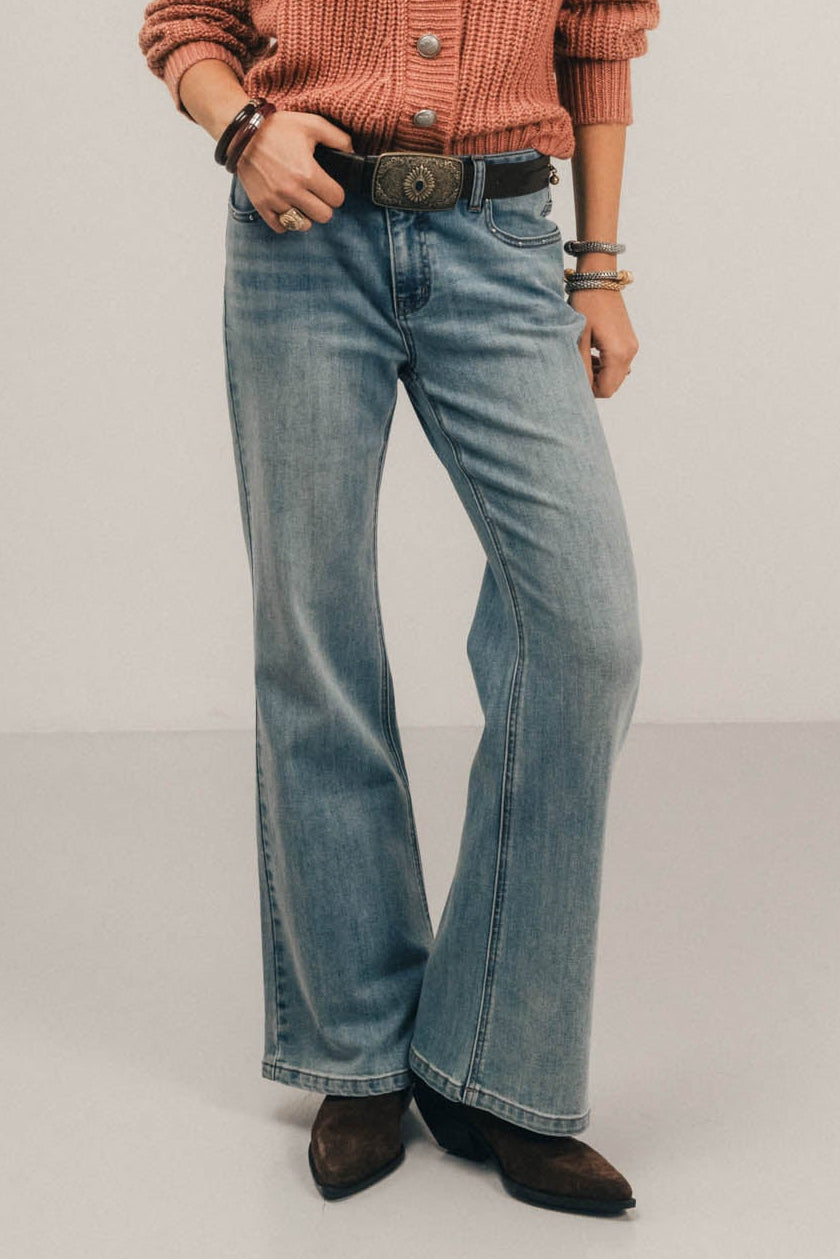






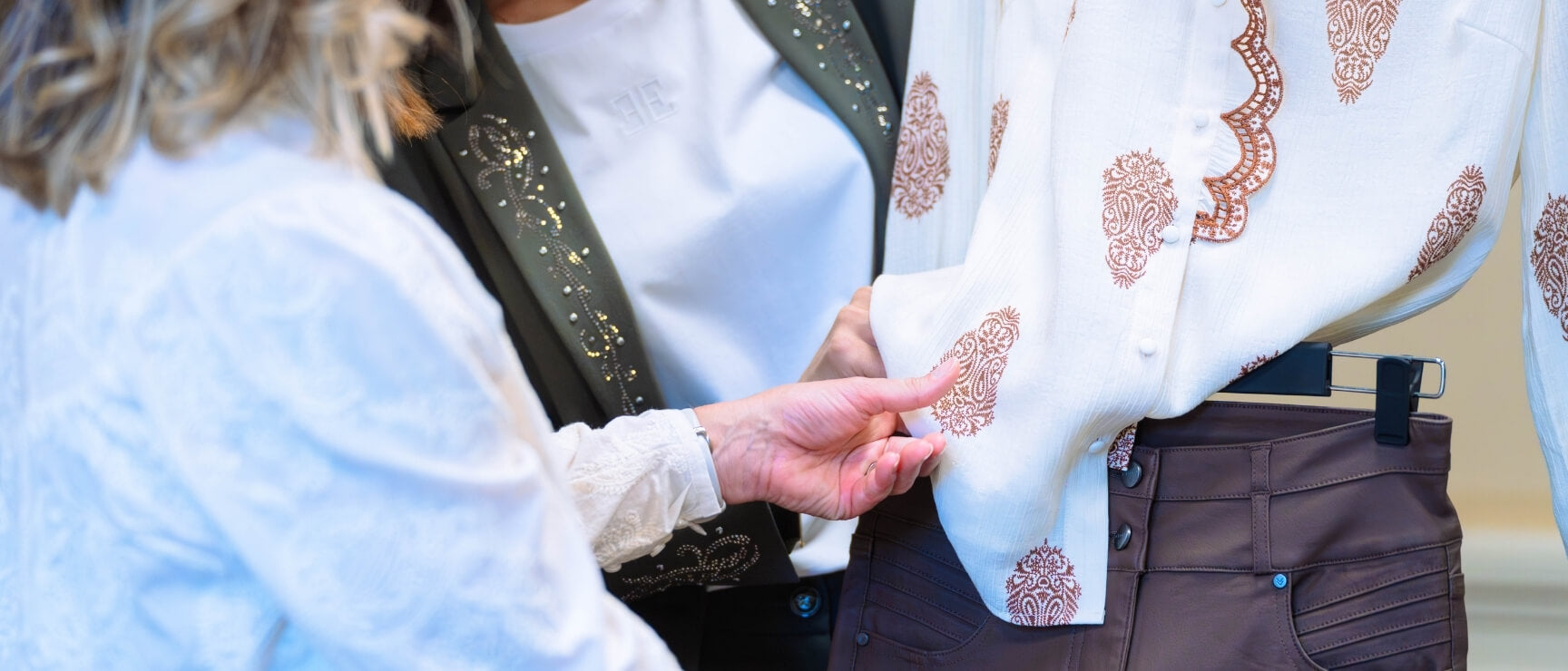


In the whirlwind of fast fashion, timeless and essential pieces are becoming the new manifesto for our wardrobes: Elora blouses.
Whether it’s flowing, structured, or embroidered, the blouse is no longer just a basic piece—it tells a story. It’s a trend that respects both the planet and the people who make it. It perfectly embodies the return to nature!
Choosing an ethical blouse or tunic means rejecting throwaway culture. It means supporting designers who innovate and ready-to-wear brands that keep craftsmanship alive.
In 2026, true elegance is no longer just about the cut of a garment, but about the transparency of its materials and how it’s made.
My sustainable fashion, for wardrobes that last
Today, for the conscious and modern woman, there’s no longer a dilemma.
Faced with the climate emergency and the excesses of fast fashion, choosing “green” eco-friendly brands and organic textiles is no longer just an option... sustainable fashion is now the only path for responsible consumers!
We can no longer ignore what’s behind the scenes: a fast fashion industry flooding Europe with disposable clothing, depleting water resources, and neglecting human dignity.
For any woman who wants to align her values with her style, the era of blind, mass consumption is truly over.
Getting dressed has become a meaningful act—every blouse, every sweater, every cardigan, and more broadly, every product you buy is a vote for the world of tomorrow.
So, why fall for an eco-friendly blouse?
Choosing a durable blouse, shirt, or tunic means saying farewell to petrochemical polyester and opaque working conditions. Even if it means prioritizing quality over quantity.
-
Breathable fabrics: Say goodbye to synthetic materials that don’t let your skin breathe. We focus on organic linen and hemp, organic cotton, and Tencel. And in winter, for a cozy feel, don’t hesitate to return to cotton satin and velvet, or a fluid weave of fine wool, like wool gauze.
-
Greater longevity: Blouses, shirts, or t-shirts designed sustainably don’t lose their shape after three washes. It’s a smart choice, both for your style and your wallet: the slightly higher initial price quickly pays off.
-
A strong identity: Eco-responsible brands, which design and manufacture mainly in France or Europe, offer each new collection with more refined cuts, clearer size and composition labeling, and more original finishes than those found in slow fashion.
The star materials of sustainable fashion
To choose your next blouse wisely, here are the materials to prioritize:
How to wear your eco-friendly blouse or shirt this season?
Versatility is the key to sustainable fashion. One piece, many options:
-
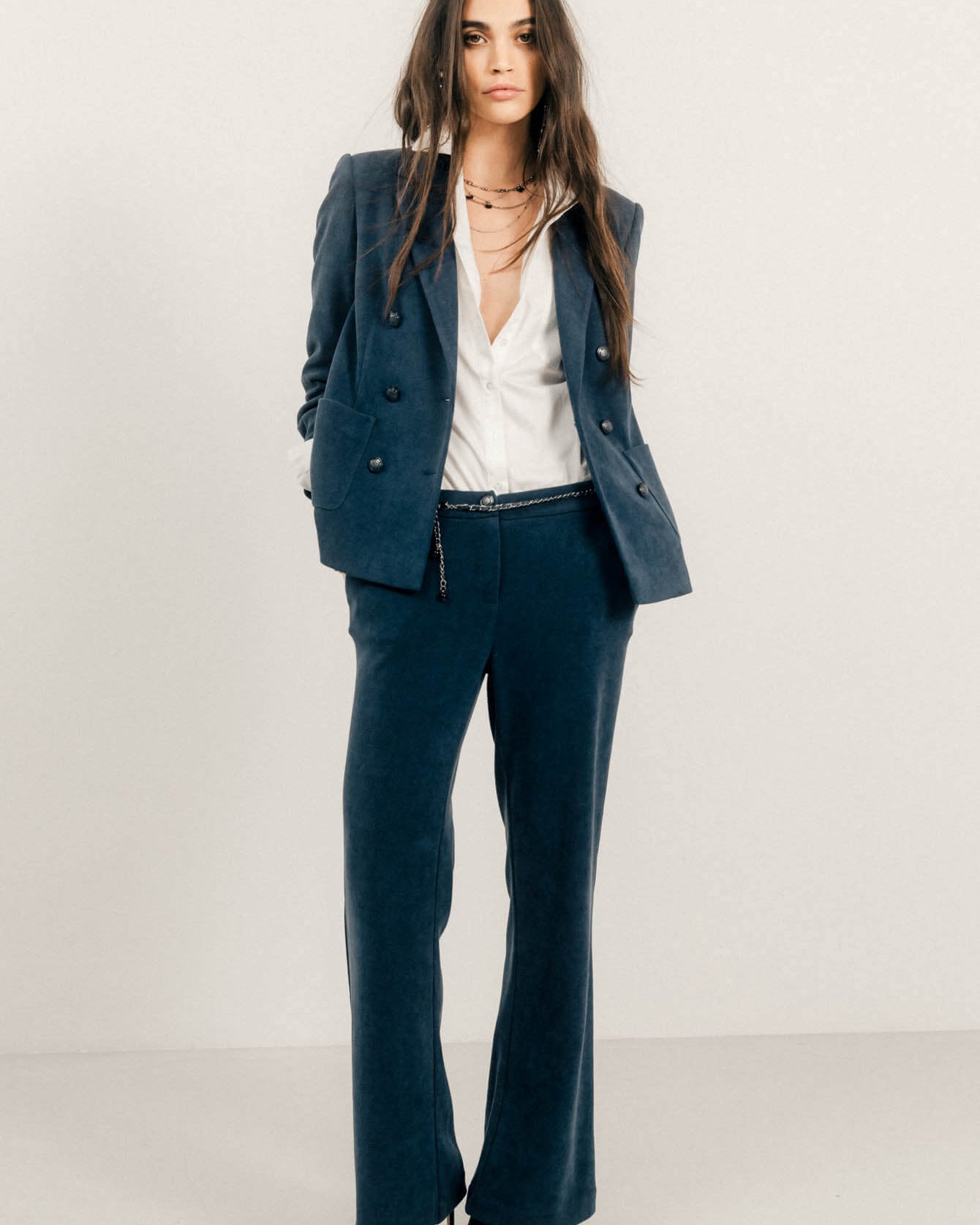
Office look: An off-white organic cotton shirt in spring, Tencel in winter, loose and tucked into the waistband of carrot-fit trousers in recycled wool. Add plant-based leather loafers for a flawless finish.
-
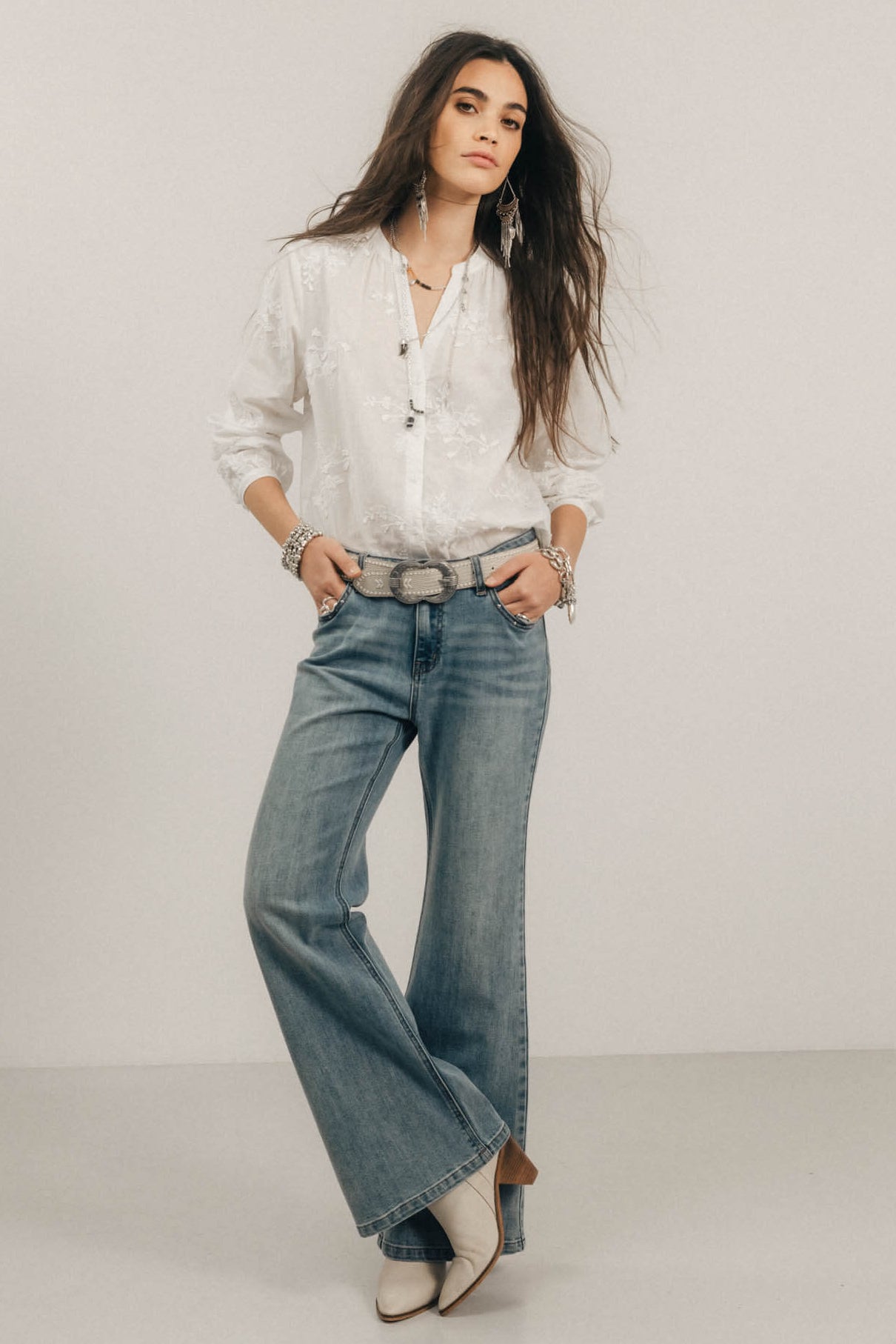
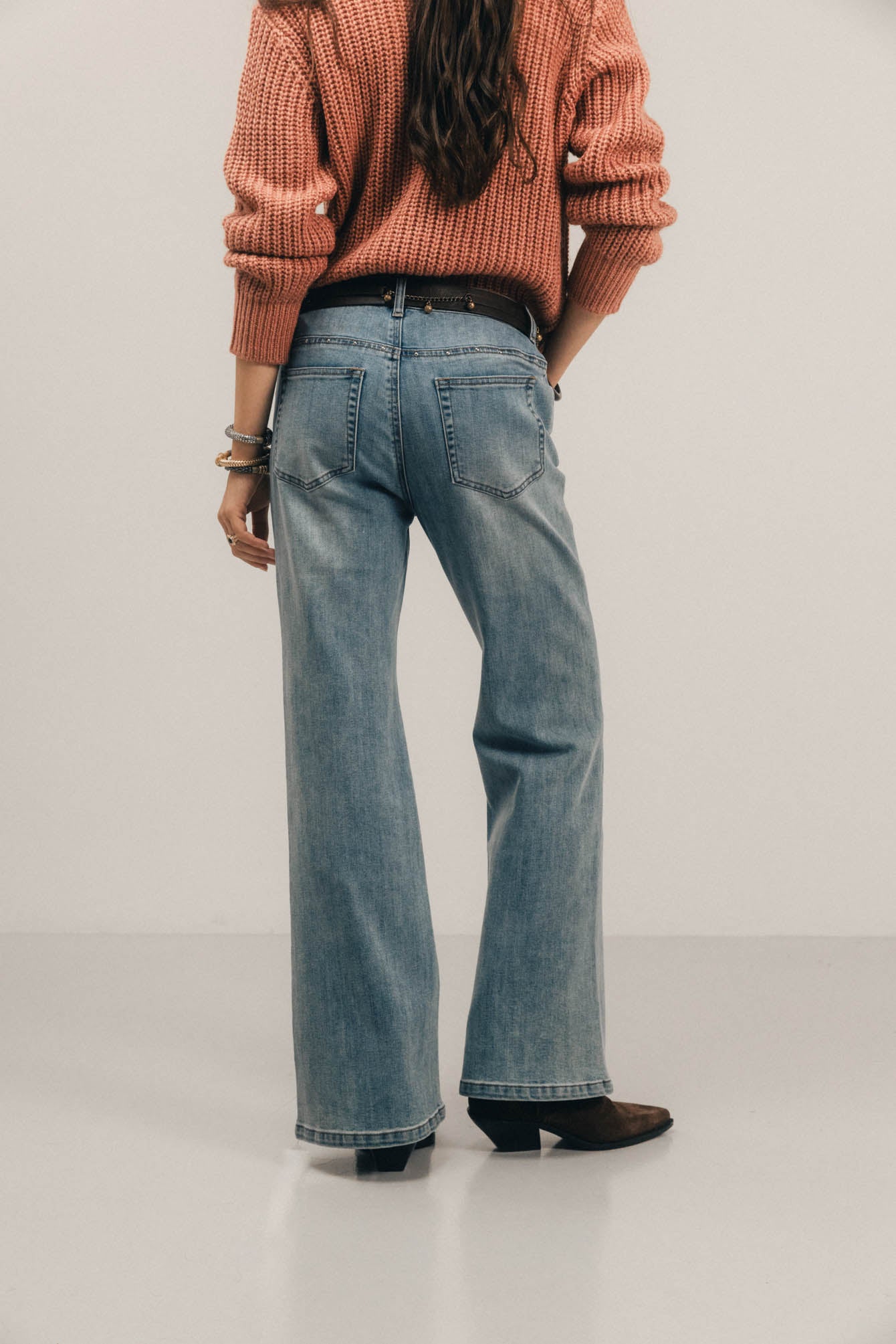
Bohemian spirit: A linen or silk tunic, worn over raw organic cotton jeans, with a slim belt to lighten the silhouette. An ultra-comfortable, timeless look, enhanced by colors derived from natural pigments for extra originality.
-
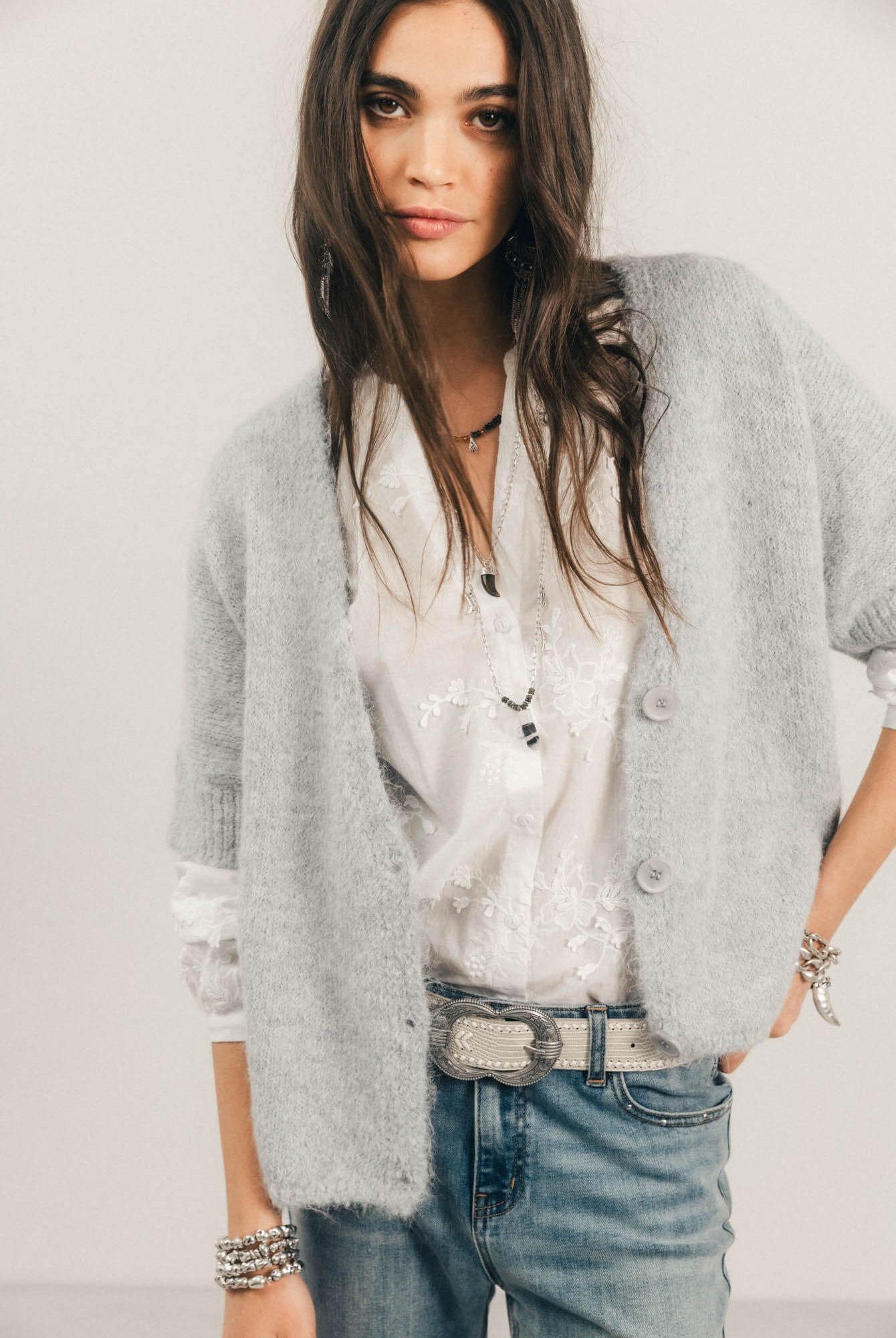
The chic evening: A romantic blouse with puffed sleeves, worn in winter with a well-tailored cardigan, ideally playing with contrast: fitted blouse/loose cardigan. Dare to wear lace, which is making a big comeback!
Tips and tricks: The most eco-friendly piece is the one you’ll wear for years. Before buying, every woman could ask herself: “Can I pair it with at least three pieces I already own?” And don’t forget, the cardigan is making a comeback—even on haute couture runways. A trendy “little knit” will let you wear your blouse in any season or your favorite shirt... even in winter!
The fair price? A closer look behind the scenes of pricing!
Even if the price of eco-friendly blouses, t-shirts, shirts, and tops may seem higher at first glance, it’s important to know that it reflects a much more responsible economic reality than fast fashion.
Shorter sales channels
Sustainable fashion often favors short supply chains or direct sales. By focusing on proximity and limiting intermediaries between production and your wardrobe, brands can pay themselves fairly while maintaining a competitive quality/price ratio.
This is especially true for Elora, which has no physical stores and organizes private home sales.
We’re also seeing the rise of the pre-order model: production is based on what will actually be sold, helping to avoid waste, unsold stock, and impulse purchases that often end up being returned.
The truth about sales
In the world of ready-to-wear, sales are a major selling period.
And yet, massive sales at -70% or "Buy one, get one free" don’t reflect a truly responsible reality.
Why? Because, with the exception of haute couture, the price and retail margin are calculated as fairly as possible from the start. During sales or Black Fridays, offering products with aggressive discounts means that someone in the production chain will pay the price. The same goes for "free" delivery offered by platforms!
Buying an eco-friendly shirt or tunic means embracing the concept of the "Fair Price" all year round. Sales, yes! But in a thoughtful and reasonable way, without falling for misleading sales pitches or coming home with bags overflowing with clothes that will just sit in your closet...
Importing and manufacturing in France
Geographical origin is a cornerstone of eco-responsibility. There are generally two approaches:
-
Made in France: This guarantees a reduced carbon footprint for transport and supports local jobs. It’s the ultimate choice for proximity.
-
Fair importation: Importing isn’t necessarily “unethical” if it’s done in compliance with certifications (like fair trade). For example, selling hand-embroidered organic cotton blouses from India in France helps support artisan communities with a fair wage, as long as transport is offset or optimized.
Europe steps in: Towards a revolution in transparency
In 2026, Europe is no longer just a spectator in fashion—it becomes the "green watchdog."
Since 2025, the European Union has stepped up to make sustainable fashion the norm, not the exception. For us as consumers, this changes everything:
-
The Digital Product Passport (DPP): Imagine! You scan the label of your blouse and instantly access its entire "life": the exact origin of the linen, the weaving factory, and even its repairability score. This passport is gradually becoming mandatory throughout Europe, putting an end to opacity.
-
The end of greenwashing: No more "natural" or "conscious" labels without concrete proof or official certification. The new European directives (like the Green Claims directive) now ban vague environmental claims. Any collection claiming to be "eco-responsible" must now prove it with certified data, or face heavy fines.
-
The ban on destroying unsold items: This is a major victory. Big brands are no longer allowed to burn or throw away new clothing stock just because of a collection change. This forces them to produce more responsibly and to favor second-hand or recycling channels.
In summary: Thanks to regulations from Europe, ethical fashion is moving out of its "niche" to become a mandatory quality standard across the continent.
The complete wardrobe: Sustainable essentials from head to toe
Not just for your blouse, but to create a cohesive look, your approach should extend to all your key pieces. Here are the essential alternatives to industry standards:
-
T-shirts and Denim: Basics are no longer so basic! Eco-friendly denim skips toxic sandblasting and excessive water use in favor of laser or ozone techniques, using recycled cotton. As for shirts and T-shirts, they're now made from GOTS-certified organic cotton or organic hemp, offering durability that stands the test of time.
-
Silk and Wool: Luxury is becoming mindful. We favor "Peace Silk" (ahimsa silk), which lets the butterfly emerge from its cocoon alive, or luxury Tencel for a similar glossy look. For knits, organic wool ensures animal welfare (no mulesing) or comes from recycled spinning mills for a zero-waste sweater.
-
Shoes and Sneakers: The revolution starts at your feet! Ethical shoes, including in sportswear, are exploring surprising plant-based materials like apple, grape, or pineapple "leather." For city shoes, the focus is on chrome-free tanned leathers (vegetable tanning) or soles made from sustainably harvested natural rubber.
-
Accessories (Bag, Glasses, Beanie, Scarf...): The secret lies in natural, sustainable details—even for accessories. The bag is increasingly upcycled (tarpaulins, leather offcuts), while glasses are moving away from plastic in favor of bio-based acetate or recycled wood fiber. Finally, the scarf and beanie focus on natural materials and feature premium fibers to avoid releasing microplastics during washing: wool, cashmere, silk, etc.
What sustainable alternatives are there?
| Clothing | Preferred material | Positive impact |
| Shoes | Grape leather / Natural rubber | Reduced petrochemicals. |
| Denim Jeans | Recycled cotton / Laser wash | Massive water savings. |
| Sweater or Cardigan | RWS certified wool / Alpaca | Respect for animals and the land. |
| Accessories | Materials from upcycling | Waste recovery. |
Colors and Prints: When ethics elevate the palette
Dyeing a garment is one of the most polluting steps! Fortunately, responsible alternatives exist.
Let’s break the stereotypes—an eco-friendly product isn’t necessarily dull or boring. The best example? Colors and prints. In sustainable fashion, colors go beyond aesthetics, since we’re talking about chemical processes.
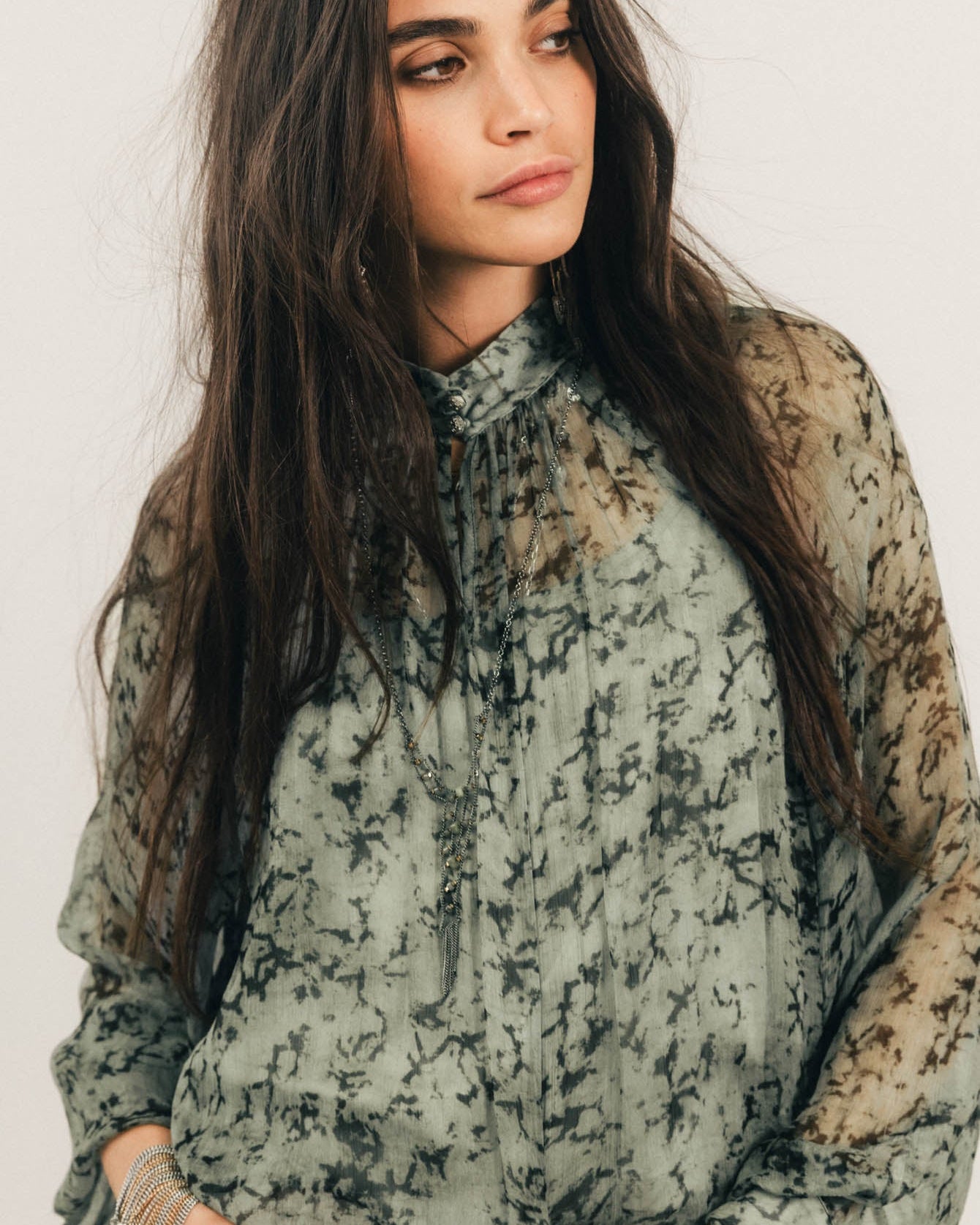
Textile professionals have found new options for less impact on the planet... and just as much pleasure for the woman who wears them. Our sustainable blouses and shirts are, more than ever, must-have fashion pieces, captivating with their design.
White: The quest for purity without chlorine
The bright white of fast fashion is often achieved with optical brighteners and harsh chlorine treatments.
In ethical fashion, we favor natural white or “ecru.” This is the shade of raw fiber (cotton, linen) simply washed. For a purer white, brands use oxygen-based processes, which are much less harmful to water and groundwater. It’s a softer, more organic natural white that naturally flatters the complexion.
Focus on Wool: Between delicacy and radiance
| Material | Recommended whitening method | Why avoid chlorine? | “Radiance” tip |
| Wool | Sodium percarbonate (at low temperature) or lemon juice | Chlorine burns keratin, makes wool rough, and creates yellow stains. | A rinse with a little white vinegar tightens the fibers and neutralizes limescale. |
Black: Responsible depth
Achieving a deep black that doesn’t fade is a technical challenge. Conventional black dyes are often rich in heavy metals.
The sustainable alternative? Oeko-Tex or GOTS certified dyes, which guarantee the absence of carcinogenic or allergenic substances. Some innovative brands even use pigments made from wood or biomass waste to create deep, stable black shades.
Colors and Prints: Nature as our color chart
Textile printing is being reinvented to protect our rivers:
-
Plant-Based Dyeing: Pigments from roots (madder), flowers, or food scraps (onion skins, avocado pits). The result? Vibrant, lively shades that age beautifully and naturally, developing a unique patina over time.
-
Water-based Digital Printing: Unlike traditional screen printing, which uses a lot of water, digital printing applies water-based ink exactly where it’s needed for each product, reducing dye waste by nearly 90%.
-
Eco-designed Prints: Floral or geometric patterns are no longer just pretty; they’re often created to be timeless, so your piece won’t feel “outdated” after just one season.
- Did you know? Plant-based dyeing often requires “mordants” to fix the color. The most committed brands use natural mordants like alum instead of chrome salts.
Towards a conscious and sustainable wardrobe
Did you know your wardrobe is much “heavier” than it looks? Behind the lightness of a garment often hides an invisible but massive environmental footprint. To broaden the conversation beyond blouses and tunics, let’s take a closer look at a few everyday items:
-
A scarf or a beanie: Often made from synthetic fibers (acrylic), they release thousands of microplastics into the ocean with every wash. A simple, inexpensive beanie can be responsible for marine pollution that will last for centuries.
-
A classic shirt: Producing just one of these shirts that fill ready-to-wear racks requires on average 2,500 liters of water—the equivalent of what a person drinks in three years! And that’s not counting the pesticides used for non-organic cotton.
-
A pair of slippers: Often coming from fast fashion, they sometimes travel over 20,000 kilometers by cargo ship before reaching your home, carrying a disproportionate carbon footprint for something meant to bring comfort indoors.
Faced with this reality, one question arises: how can we reconcile our love of fashion with respect for our planet? What are our options?
The answer lies in more mindful consumption, where each product is chosen for its quality, its origin, the carbon footprint of its sales, delivery, and returns process, and even its “end of life”—from linen blouses to organic cotton shirts, to upcycled bags.
Committed elegance with Elora
Choosing ethical fashion means first and foremost choosing brands that don’t just talk the talk, but take real action throughout their entire value chain.
It’s through its core commitments that Elora stands out, making Sustainability and respect for People the guiding thread of every new collection.
A sense of connection that makes all the difference
For the Elora woman, eco-friendly commitment goes beyond choosing the right materials. It’s lived through an exclusive way of shopping, based on human connection:
-
Home shopping sessions: By favoring gatherings with friends in the form of private sales at home, Elora reinvents shopping in a warm, personalized setting. This approach encourages buying less, but better, thanks to the expert advice of Fashion Consultants who help you, with each collection, choose pieces that truly suit you—adapted to your size, your shape, and your style.
-
Controlled Logistics and Delivery: Local management is at the heart of the brand’s strategy. With home shopping sessions, Elora optimizes delivery flows and offers a simplified, responsible returns process. That’s how Elora reduces its carbon footprint while ensuring optimal customer satisfaction.
-
A lasting commitment: From flowing blouses to carefully crafted accessories, every piece is designed to last through the seasons. By choosing Elora, you support fashion that values social connection, local jobs, and respect for the environment.
In short, the Elora woman chooses a style that has meaning. She proves that in 2026, the most desirable fashion is the one that cares for us, for those who create it, and for the planet we share.